High-Risk Pregnancy: Your Top Questions Answered
Being told your pregnancy is "high-risk" can feel like the ground shifts beneath your feet. One moment you are planning nursery colours, and the next you are Googling medical terms at midnight. Healthcare professionals recognise that such concerns are a completely natural response. Recent Indian studies suggest nearly 50% of pregnancies may have at least 1 high-risk factor, making awareness and early care more important than ever.
What is important to understand is that a high-risk pregnancy does not necessarily lead to a poor outcome. It indicates a need for closer monitoring, additional care and a medical team experienced in managing pregnancy-related risks.
This guide breaks down the high-risk category in simple terms and tells you exactly which warning signs in pregnancy you should never ignore.
What Exactly Is a High-Risk Pregnancy?
A high-risk pregnancy means the mother, baby or both face a greater chance of health complications during pregnancy, labour or delivery.
The term sounds scary, but it is just a medical signal to watch more closely and plan your care more carefully.
Many women with high-risk pregnancies carry to full term and deliver healthy babies. The difference lies in how early your doctor identifies risks and how proactively your care team manages them.
What Places a Pregnancy in the High-Risk Category?
Age, lifestyle choices, medical history and complications that develop during pregnancy can all make a pregnancy high-risk.
-
Age at the Time of Pregnancy
Pregnancies in women under 20 or over 35 carry a higher statistical risk. Women over 35, in particular, are more likely to experience conditions like gestational hypertension, chromosomal differences in the baby or placenta complications. That said, age alone does not define the outcome.
-
Pre-Existing Health Conditions
This is one of the most significant pregnancy risk factors. When conditions like diabetes, high blood pressure, thyroid disorders, heart disease, obesity or autoimmune conditions are already present, your body works harder during pregnancy. They do not prevent a healthy pregnancy, but they do require tighter monitoring throughout all three trimesters.
-
Lifestyle Factors
Smoking during pregnancy is one of the most well-documented risks. Smoking directly leads to preterm birth, low birth weight and developmental issues. Alcohol use, substance drug use and poor nutrition also increase risk considerably. These are factors that, when addressed early, meaningfully improve outcomes.
Gentle movement also plays a supportive role during pregnancy. Simple, commonly practised yoga poses like supported vajrasana, cat-cow, butterfly pose, and basic breathing exercises can help manage stress and improve circulation. Always practise under guidance and avoid inversions, hot yoga or any pose that puts pressure on the abdomen.
-
Complications That Develop During Pregnancy
Some pregnancies start without any risk factors and develop complications along the way. Developing gestational diabetes, preeclampsia or placenta previa or carrying multiples like twins or triplets, means your pregnancy will need closer and more frequent care.
Keeping track of your health through the first trimester pregnancy, second trimester pregnancy and third trimester pregnancy protects both mother and baby.
What Are the Warning Signs in Pregnancy You Should Never Ignore?
Knowing the danger signs of pregnancy can, quite literally, save two lives. If you experience any of the following, contact your doctor without delay. Seek medical attention promptly rather than waiting for symptoms to resolve on their own.
-
Sudden or heavy vaginal bleeding
-
Persistent and severe abdominal cramps or pain
-
Severe headache that does not respond to rest
-
Blurred or changed vision
-
Reduced or absent movement from the baby (especially in the third trimester)
-
Swelling in the face, hands or feet that appears suddenly
-
Difficulty breathing or chest tightness
-
High fever, extreme dizziness or sudden fatigue
-
Thoughts of self-harm or feelings of deep depression
One first-time mother wrote off her headaches as stress. When she finally saw her doctor, her blood pressure had already risen significantly. Early reporting, even when symptoms seem minor, changes the outcome.
These high-risk pregnancy symptoms are not always dramatic. In many cases, high-risk pregnancy symptoms present gradually and can be mistaken for minor discomfort. Never dismiss these symptoms without consulting your doctor.
According to pregnancy complications explained by the CDC, timely identification of warning signs is among the strongest predictors of better maternal and fetal outcomes.
What Tests and Monitoring Does a High-Risk Pregnancy Involve?
If your doctor classifies your pregnancy as high-risk, your care plan will include a more detailed schedule of tests during pregnancy. Understanding what these involve helps reduce anxiety around each appointment.
-
Pregnancy Blood Tests and Blood Sampling
A pregnancy blood test is one of the first tools used to establish a baseline for your health. These tests assess blood sugar levels, thyroid function, complete blood count, infection markers and more. Blood sampling continues throughout all trimesters, adjusting based on what the clinical picture suggests.
-
Ultrasounds and Fetal Monitoring
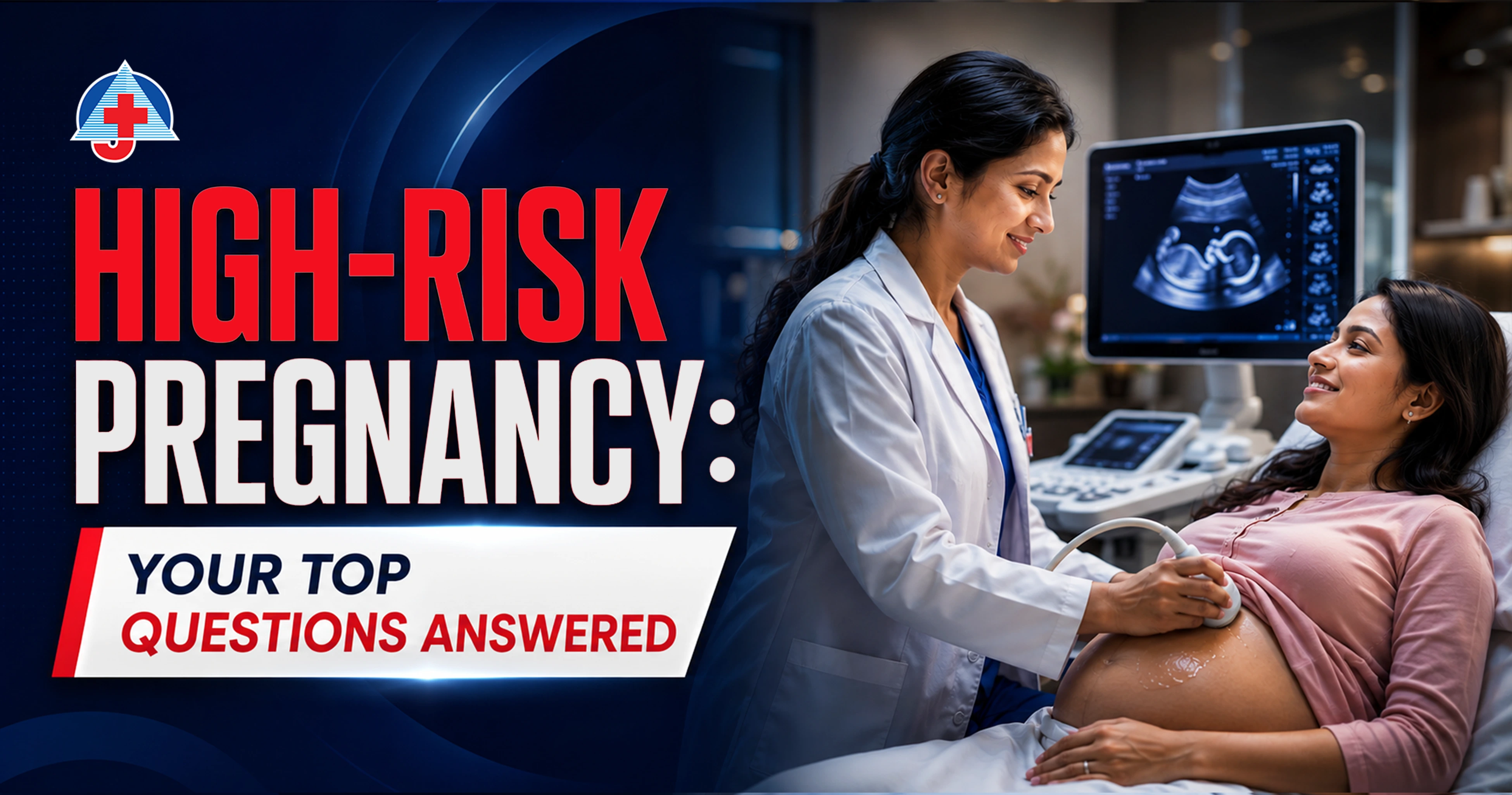
High-risk pregnancies typically involve more frequent ultrasounds than a standard pregnancy. These help track fetal growth, fluid levels, placental position and the baby's heartbeat. Non-stress tests doctors may also recommend in the third trimester pregnancy to assess how the baby responds to movement.
-
Genetic Screening
If you are over 35 or have a family history of chromosomal conditions, your doctor may offer genetic screening tests such as cell-free DNA testing, fluid sampling around the baby, or chorionic villus sampling (CVS). These doctors will usually discuss pregnancy in the first trimester and are always a personal, informed choice.
The maternal health guidelines by the World Health Organization recommend that all pregnant women, and especially those classified as high-risk, receive structured antenatal care starting as early as possible in the first trimester.
How Is a High-Risk Pregnancy Managed?
Management depends entirely on what is driving the risk. Every high-risk pregnancy is different, and specialist involvement makes all the difference.
-
More Frequent Appointments
Standard care involves periodic check-ins. Your care team spaces visits more closely together, especially as you move into the second trimester pregnancy and third trimester pregnancy stages.
-
Specialist Referrals
Maternal-fetal medicine specialists (MFM), also called high-risk pregnancy doctors, train specifically to manage complicated pregnancies. If your OB/GYN identifies risk factors, a referral to an MFM team gives you access to deeper expertise.
-
Government Support
India's Pradhan Mantri Surakshit Matritva Abhiyan (PMSMA) now tracks high-risk pregnancies with expanded categories, offers free antenatal check-ups on the 9th of every month, and connects families to First Referral Units (FRUs) for safe delivery. This initiative makes specialist care more accessible, especially for families in smaller towns and semi-urban areas.
-
Medication and Condition Management
For women with pre-existing conditions, doctors use pregnancy-safe medications to keep blood pressure, blood sugar or thyroid levels stable. The goal is to protect both mother and baby without disrupting fetal development.
-
Lifestyle Adjustments
Doctors may recommend modified activity, dietary changes or bed rest in specific cases. These are not punishments. They are precision tools to reduce strain on a body already working harder than usual.
When it comes to food, familiar Indian staples work well. Dal, curd, khichdi and ragi porridge provide steady nutrition. Sprouts, roasted chana and paneer are good sources of protein. Seasonal fruits add natural vitamins and fibre. A balanced plate built around these everyday ingredients supports both mother and baby through each trimester.
Can You Have a Normal Delivery After a High-Risk Pregnancy?
Many women with high-risk pregnancies deliver vaginally and have healthy outcomes. The mode of delivery depends on how the pregnancy progresses, the baby's position and size, and any last-trimester concerns. A planned caesarean delivery is sometimes the safest option and your doctor will only recommend it when the situation truly calls for it.
Emotional Health Matters Too
Never minimize the psychological weight a high-risk pregnancy places on you. Anxiety, fear and even depression are common responses. Building a support network of a partner, a trusted friend or a counsellor makes a measurable difference.
Communicating openly with your support system is an important part of managing a high-risk pregnancy. Do not hesitate to raise any concerns or questions with your medical team at every appointment. A well-supported mother is a healthier mother.
When Should You Seek Specialised Care?
If any of the risk factors described above apply to you, or if you are simply uncertain about your pregnancy risk factors, seek a specialist early. The best time to have this conversation is before complications arise.
For those looking for a high-risk pregnancy specialist in Mangalore, A.J. Hospital offers dedicated care backed by clinical expertise and compassionate support.
At A.J. Hospital, the team of obstetrics and women's health specialists brings together clinical expertise and compassionate care for every stage of pregnancy. Dr. Samskruthi H.S. Shetty, a trusted high-risk pregnancy specialist in Mangalore, along with the dedicated team at A.J. Hospital, will guide you through every step with structured, tailored care. For families in Mangalore, A.J. Hospital's dedicated specialist care makes a real difference at every stage of pregnancy.
The Bottom Line
A high-risk pregnancy label is not a verdict. Consider it a structured care plan designed specifically around your health needs. It says: we are watching closely, we are prepared and we are with you every step of the way. The earlier you engage with specialist care, the more tools your team has to work with.
Stay consistent with your tests during pregnancy, report every warning sign no matter how small it seems, and trust the process. Timely specialist care and regular monitoring give both mother and baby the best chance of a healthy outcome.
FAQs
Doctors consider a pregnancy high-risk when the mother, baby or both face a higher chance of complications from age, pre-existing conditions, lifestyle or issues that arise during pregnancy.
Key warning signs include severe headaches, sudden swelling, heavy bleeding, reduced fetal movement, blurred vision and persistent abdominal pain. Report any of these to a doctor immediately.
Most high-risk pregnancies involve blood tests at every trimester. If you have a condition like diabetes or hypertension, your doctor may schedule them more often.
Yes. Smoking during pregnancy is directly linked to preterm birth, low birth weight and developmental complications. Quitting as early as possible significantly reduces these risks.
In many cases, light activity is still encouraged, but the type and intensity depend on individual risk factors. Always get your doctor's guidance before continuing or starting any exercise routine.
Based on your trimester and risk level, your doctor may run tests like detailed ultrasounds, genetic screening, blood count, thyroid checks, and glucose tests.
A.J. Hospital has a specialist team that looks after both mother and baby through all three trimesters.
It provides free specialist check-ups on the 9th of every month for high-risk cases, reducing travel needs and improving access to quality antenatal care for families in Mangaluru and surrounding areas.